
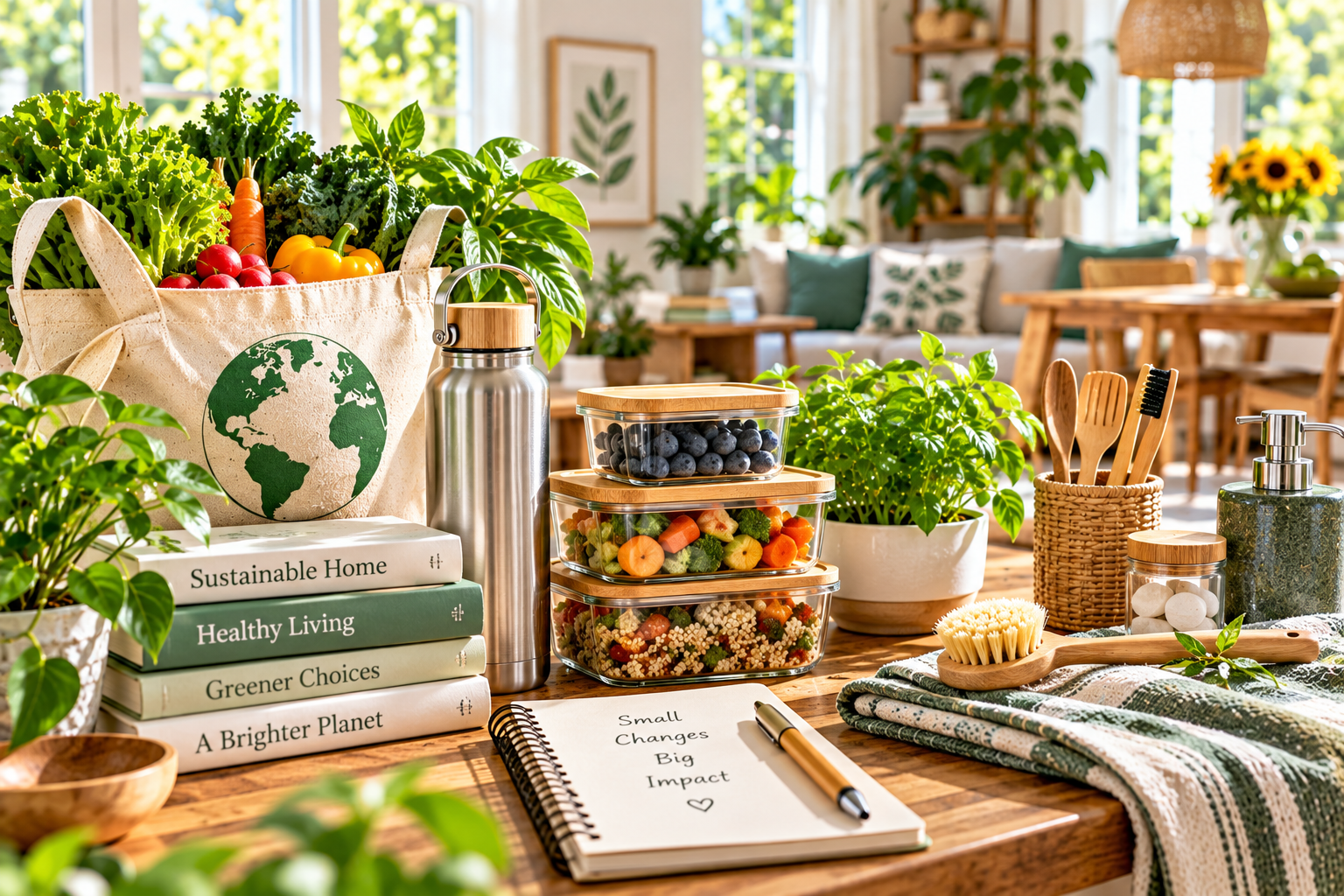
Sustainable Living Practices
Sustainable living doesn’t have to mean making drastic lifestyle changes, spending more money, or giving up the comforts you enjoy. Often, the most meaningful improvements begin with small, practical decisions that reduce waste, conserve resources, and make everyday life easier and more affordable.
At Blue Earth Living, we believe sustainability should be accessible to everyone. Whether you’re interested in lowering household expenses, reducing plastic waste, conserving energy, shopping more responsibly, or protecting the natural world, there are simple steps you can take to make a positive difference.
The key is to start where you are, use what you already have, and gradually build habits that benefit both your household and the environment.
1. Reduce Waste and Embrace Reusability
One of the easiest ways to begin living more sustainably is to reduce the amount of waste your household produces.
Many everyday products are designed for single use, creating unnecessary packaging and recurring expenses. Choosing reusable alternatives when practical can reduce waste and save money over time.
Simple sustainable habits:
- Carry reusable shopping bags instead of collecting disposable plastic bags.
- Use refillable water bottles and travel mugs.
- Replace disposable paper towels with washable cleaning cloths when appropriate.
- Store leftovers in reusable containers.
- Repair, donate, or repurpose household items instead of throwing them away.
- Choose products with minimal or recyclable packaging when available.
Smart Product Finds: Reusable grocery bags, stainless steel water bottles, washable cleaning cloths, glass food storage containers, and durable lunch containers.
Blue Earth Living Tip: Before purchasing a new reusable product, check whether something you already own can serve the same purpose. Reusing existing items is often the most affordable and environmentally responsible first step.
2. Make Your Home More Energy Efficient
Sustainable living doesn’t have to mean making drastic lifestyle changesme More Energy Efficient
Reducing household energy consumption can help lower utility bills while reducing the environmental impact associated with energy production.
You don’t necessarily need solar panels or expensive renovations to make your home more efficient.
Energy-saving practices to try:
- Replace frequently used incandescent bulbs with energy-efficient LED lighting.
- Turn off lights and electronics when they’re not needed.
- Use programmable or smart thermostats when compatible with your heating and cooling system.
- Seal drafts around windows and doors.
- Wash clothes in cold water when suitable for the fabric and cleaning needs.
- Air-dry clothing when practical.
- Maintain heating, cooling, and household appliances according to manufacturer recommendations.
Smart Product Finds: LED light bulbs, smart power strips, programmable thermostats, weatherstripping, and drying racks.
Money-Saving Tip: Start with inexpensive improvements, such as LED bulbs and sealing drafts, before considering larger investments.
3. Conserve Water in Everyday Life
Clean freshwater is an essential resource, and conserving it helps protect local water supplies and ecosystems.
Small changes in how we use water can add up over time.
Practical water-saving ideas:
- Fix leaking faucets and running toilets promptly.
- Turn off the faucet while brushing your teeth.
- Run dishwashers and washing machines with appropriately sized loads.
- Install water-efficient showerheads and faucet aerators where compatible.
- Water gardens during cooler parts of the day to reduce evaporation.
- Choose native or drought-tolerant plants suited to your climate.
- Collect rainwater for gardening where permitted and appropriate.
Smart Product Finds: Water-saving showerheads, faucet aerators, rain barrels, soil moisture meters, and efficient garden watering tools.
Blue Earth Living Tip: Monitor your water bill for unexpected increases, which may indicate hidden leaks or unnecessary consumption.
4. Choose Sustainable and Budget-Friendly Household Products
Shopping sustainably isn’t simply about buying products labeled green, natural, or eco-friendly.
A truly thoughtful purchase considers how useful, durable, repairable, and affordable a product is, along with its materials and environmental impact.
Before purchasing something new, ask yourself:
- Do I really need this item?
- Can I repair or reuse something I already own?
- Is there a durable alternative?
- Can the product be refilled, repaired, or recycled?
- Does the manufacturer provide credible environmental information?
- Will the product save money or reduce waste over time?
Products worth exploring:
- Durable reusable storage containers
- Refillable cleaning products
- Recycled-material home organizers
- Rechargeable batteries
- Long-lasting kitchen accessories
- Reusable shopping and produce bags
Smart Shopping Tip: Compare the total cost of ownership, not just the purchase price. A durable item that lasts for years may offer better value than a cheaper product that requires frequent replacement.
5. Reduce Food Waste and Make Smarter Food Choices
Food waste affects both household budgets and the environment.
When food is discarded, the resources used to grow, transport, refrigerate, and prepare it are wasted as well.
Easy ways to reduce food waste:
- Plan meals before grocery shopping.
- Check your pantry and refrigerator before buying more food.
- Store fruits, vegetables, and leftovers properly.
- Freeze suitable foods before they spoil.
- Use leftover ingredients creatively.
- Learn the difference between food quality dates and food safety guidance.
- Compost appropriate food scraps when possible.
You can also explore seasonal produce, grow herbs or vegetables at home, and incorporate more plant-based meals according to your preferences and nutritional needs.
Smart Product Finds: Reusable produce bags, airtight storage containers, freezer organizers, compost bins, and meal-planning notebooks.
Blue Earth Living Tip: Reducing food waste is one of the simplest ways to combine environmental responsibility with everyday savings.
6. Create a Greener Home and Garden
You don’t need a large backyard to connect with nature or support a healthier local environment.
Even small balconies, patios, and windowsills can provide opportunities for greener living.
Ideas for sustainable gardening:
- Grow herbs and vegetables in containers.
- Choose native plants suited to your region.
- Plant flowers that support local pollinators.
- Use compost to improve soil where appropriate.
- Collect fallen leaves for mulch or compost.
- Reduce unnecessary pesticide use.
- Use efficient watering methods.
- Avoid introducing invasive plant species.
Smart Product Finds: Reusable planters, compost bins, garden tools, watering cans, seed-starting kits, and pollinator-friendly gardening supplies.
Sustainable Living Tip: Native plants can provide valuable food and habitat for local wildlife, including bees, butterflies, and birds.
7. Travel More Responsibly
Exploring the world can deepen our appreciation for nature, wildlife, and different cultures. Making thoughtful travel choices can also help reduce unnecessary environmental impacts.
Sustainable travel isn’t about avoiding adventure. It’s about planning carefully and respecting the places you visit.
Responsible travel practices:
- Explore destinations closer to home when practical.
- Consider trains, buses, and public transportation where suitable.
- Stay longer in fewer destinations to reduce frequent transfers.
- Support locally owned accommodations and restaurants.
- Carry reusable travel essentials.
- Respect wildlife and protected habitats.
- Follow local conservation guidelines.
- Avoid unnecessary purchases and disposable travel products.
Smart Product Finds: Lightweight luggage, reusable water bottles, packing cubes, compact backpacks, and reusable travel organizers.
Blue Earth Living Tip: The best travel accessories are often the ones you can use repeatedly across many adventures.
8. Buy Less, Repair More, and Embrace Secondhand Shopping
One of the most effective sustainable living practices is extending the useful life of products.
Before replacing furniture, clothing, electronics, or household accessories, consider whether they can be repaired, refurbished, or repurposed.
Practical ideas:
- Shop thrift stores and secondhand marketplaces.
- Repair clothing instead of replacing it immediately.
- Refinish or repaint existing furniture.
- Borrow or rent tools needed for occasional projects.
- Donate usable household items.
- Organize clothing swaps with friends or neighbors.
- Choose repairable products when possible.
Buying secondhand can reduce demand for new manufacturing while making quality products more affordable.
Money-Saving Tip: Create a 30-day waiting period for nonessential purchases. You may discover that you no longer need the item—or find a more affordable alternative.
9. Support Conservation and Environmental Awareness
Sustainable living extends beyond our homes and shopping habits.
Protecting forests, oceans, wildlife, clean air, and freshwater requires collective action, education, and community involvement.
There are many ways to participate without spending much money.
Ways to make a difference:
- Participate in neighborhood cleanups.
- Support reputable wildlife and habitat conservation organizations.
- Join community gardening or tree-planting projects.
- Volunteer with local environmental initiatives.
- Learn about conservation programs around the world.
- Share reliable environmental information.
- Participate in citizen science projects.
- Encourage children to explore and appreciate nature.
Blue Earth Living Tip: Visit our Blue Earth Living Bookshelf to discover educational books about sustainability, wildlife conservation, environmental science, and inspiring global initiatives.
10. Build Sustainable Habits That Last
Living more sustainably is a journey, not a competition.
Trying to change everything at once can become overwhelming and expensive. Instead, focus on practical improvements that fit your household, lifestyle, and budget.
Start with three manageable goals:
This Week: Replace one disposable habit with a reusable alternative you already own.
This Month: Identify one way to reduce household energy, water, or food waste.
This Year: Make a lasting improvement, such as creating a home composting system, growing a small garden, reducing unnecessary purchases, or participating in a local conservation project.
Track your progress, celebrate improvements, and remember that consistency matters more than perfection.
Your Sustainable Living Starter Checklist
Ready to make a few simple changes? Start here:
- Carry a reusable shopping bag.
- Use a refillable water bottle.
- Reduce unnecessary packaging.
- Switch frequently used lights to LEDs.
- Check faucets and toilets for leaks.
- Plan meals to reduce food waste.
- Donate or repurpose unused household items.
- Choose durable products over disposable alternatives.
- Support local businesses when practical.
- Explore one conservation initiative in your community.
You don’t need to complete everything at once. Choose two or three actions that are realistic for you and build from there.
Small Choices Today. A Healthier Planet Tomorrow.
Sustainable living is about making thoughtful decisions that improve everyday life while helping conserve the natural resources we all depend on.
Whether you’re reducing waste, organizing your home, saving energy, conserving water, shopping responsibly, or supporting wildlife conservation, every positive step contributes to a more sustainable future.